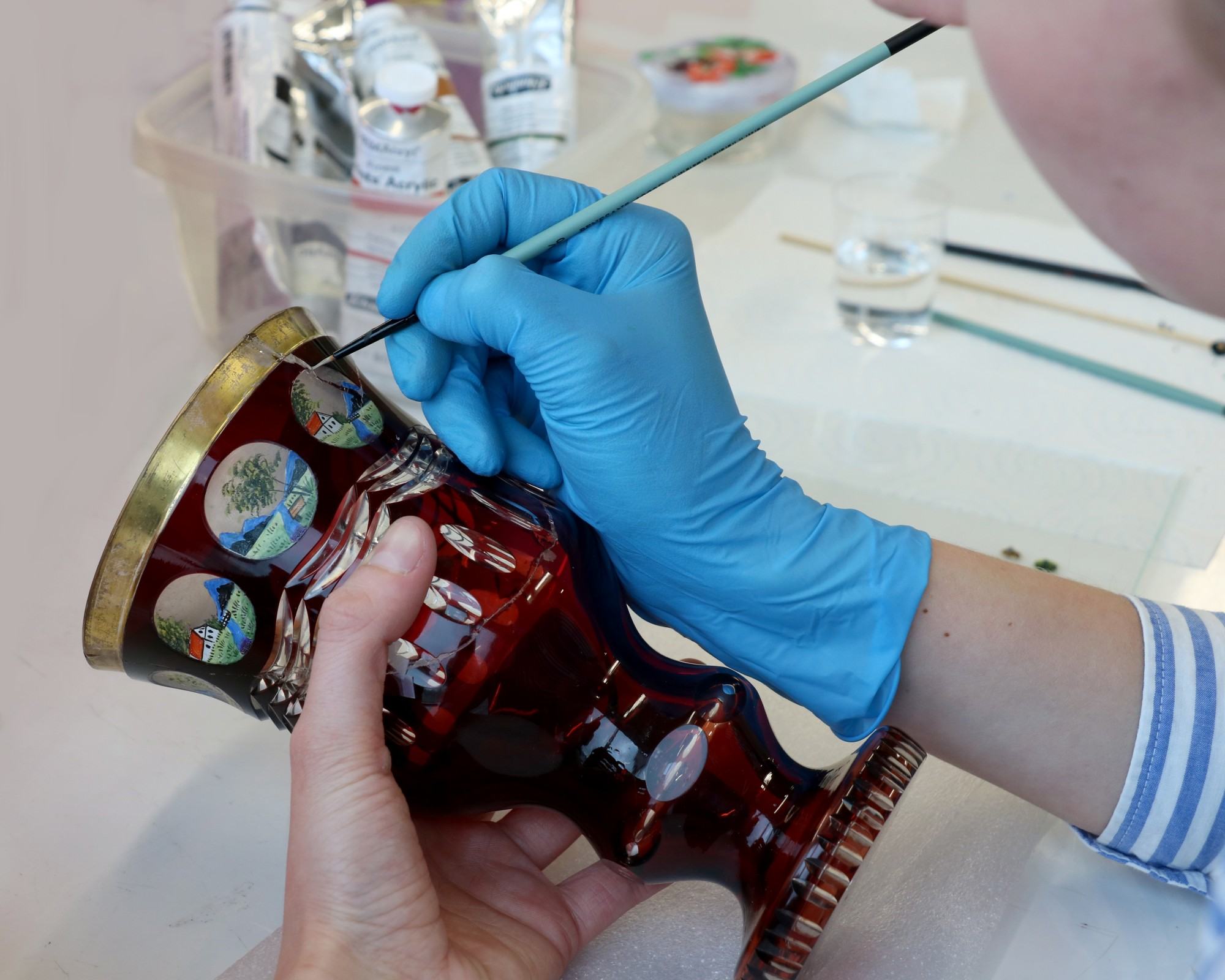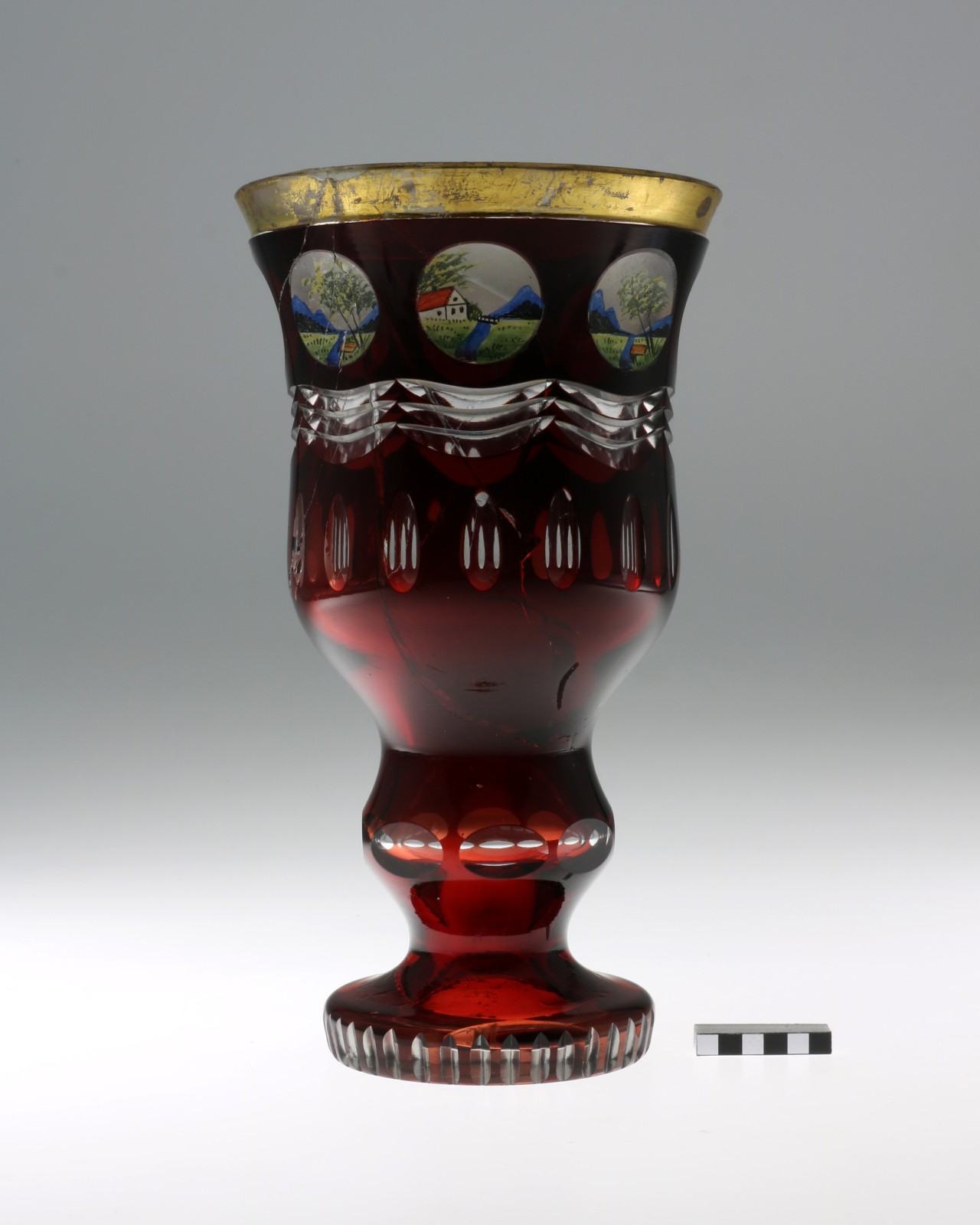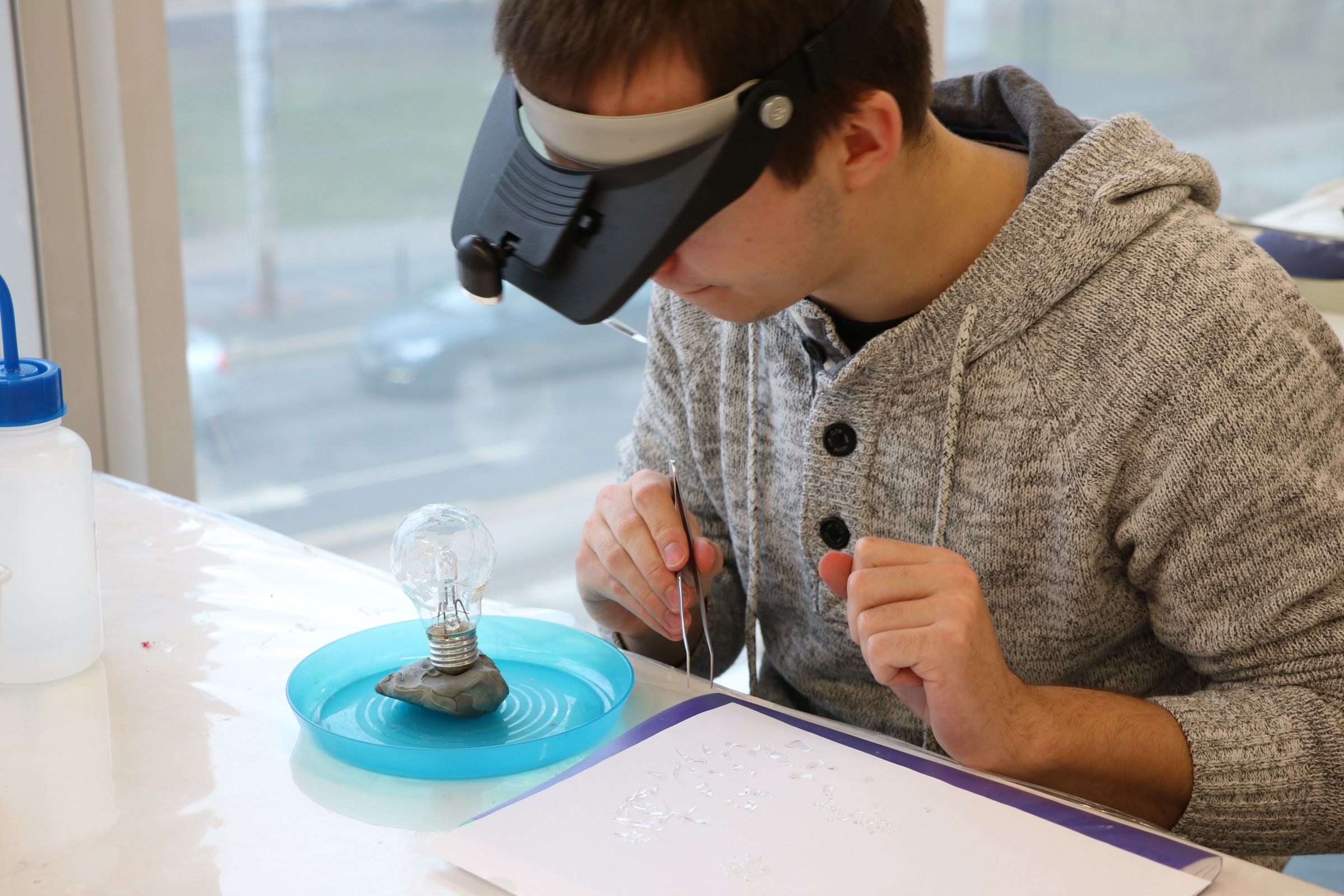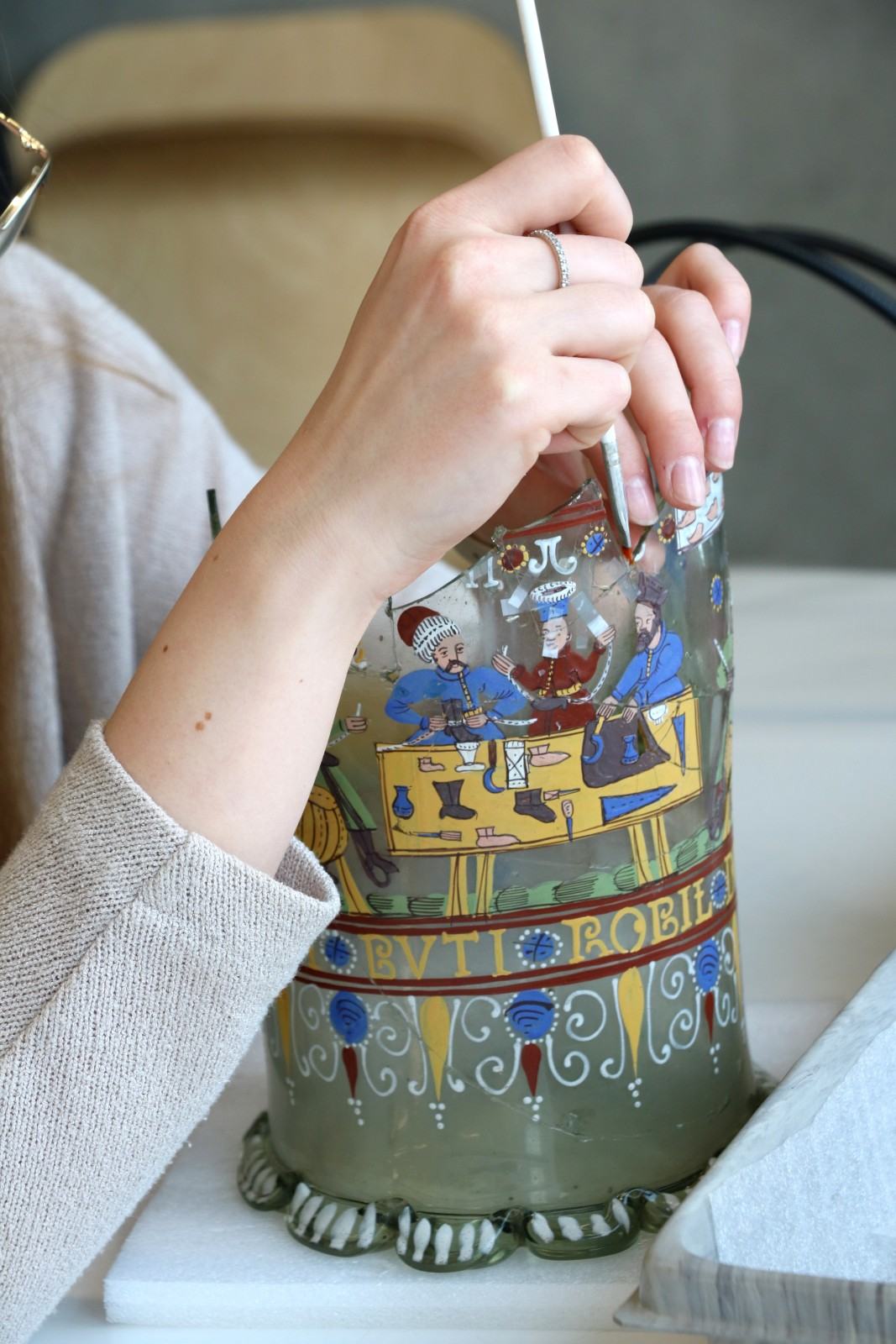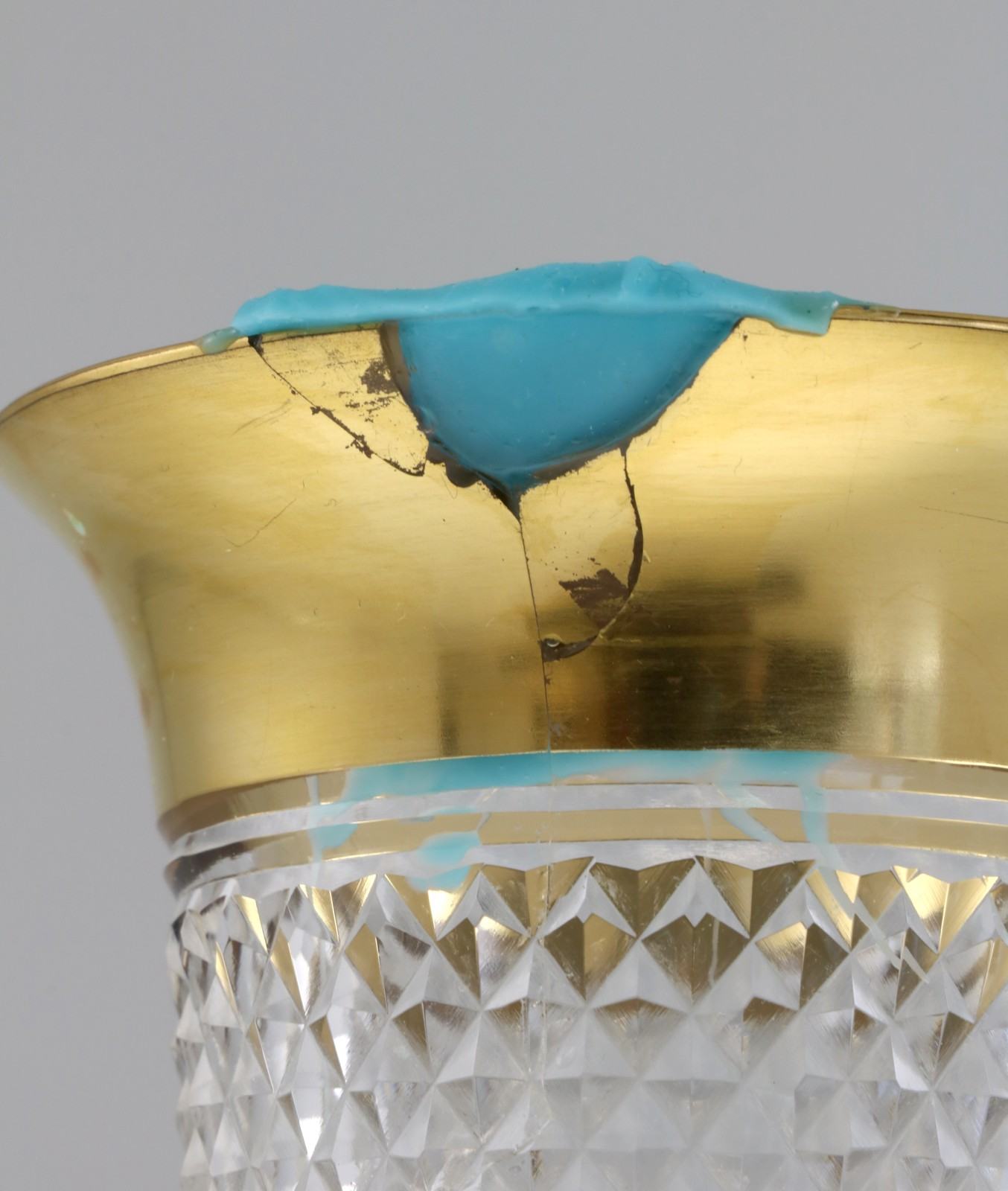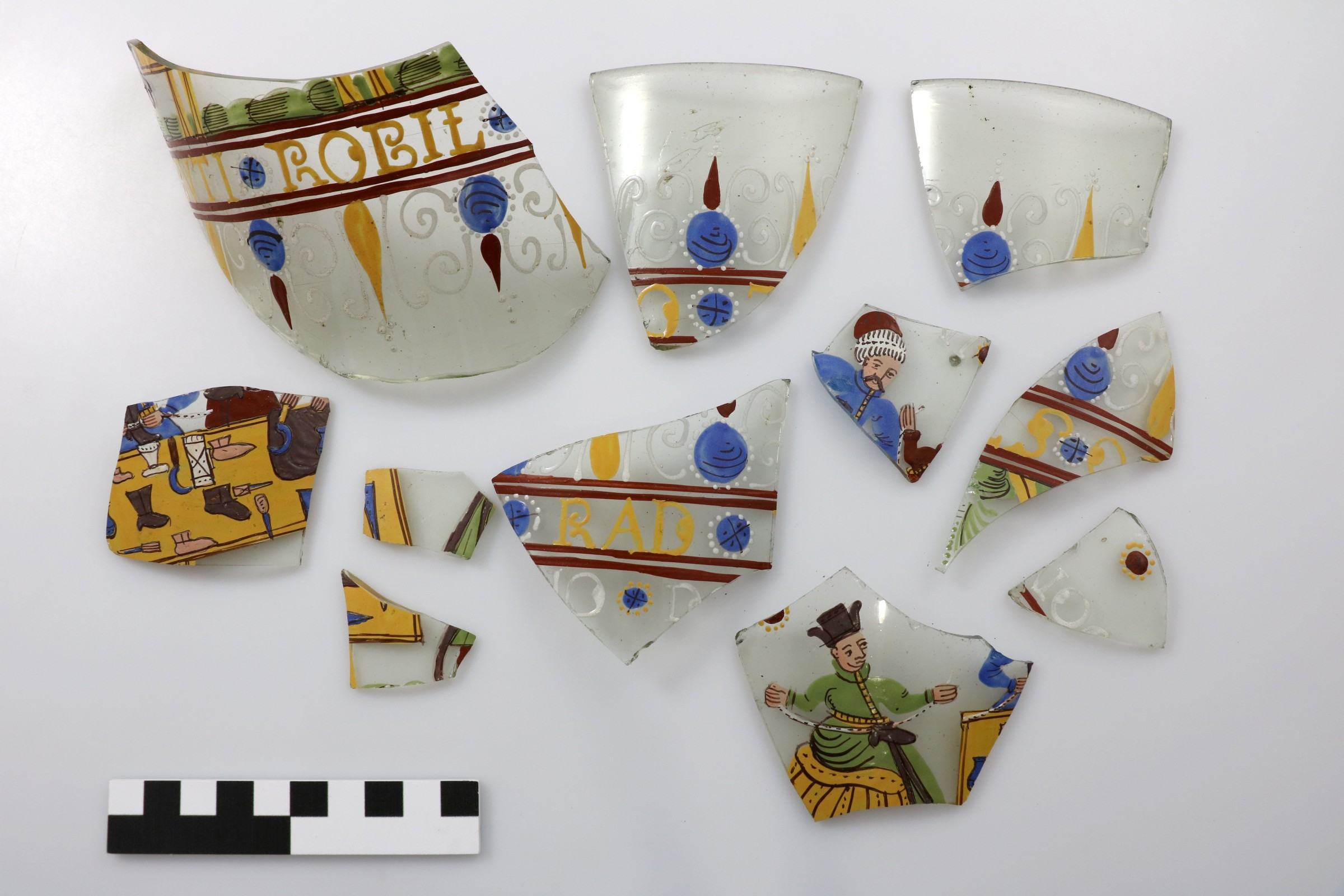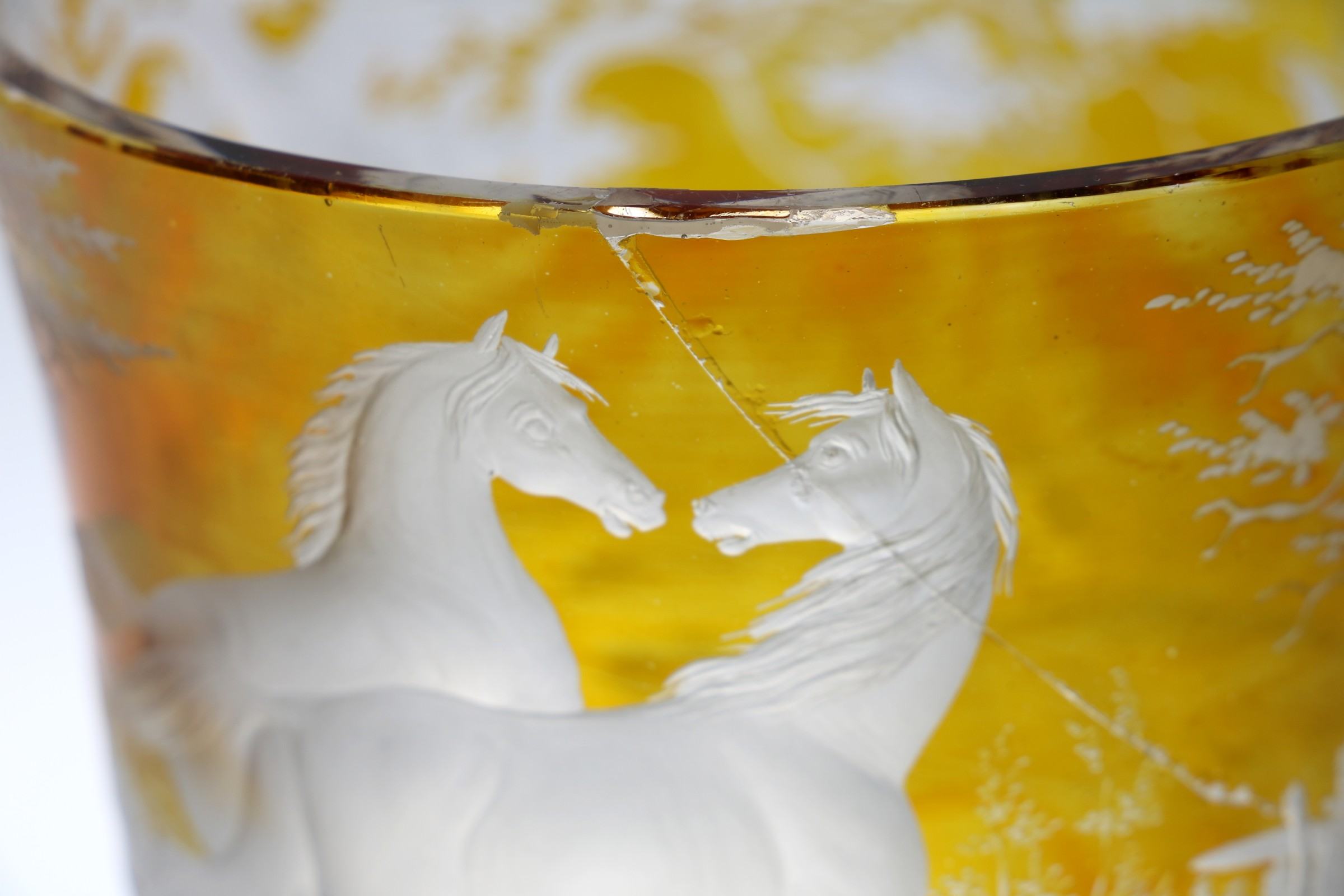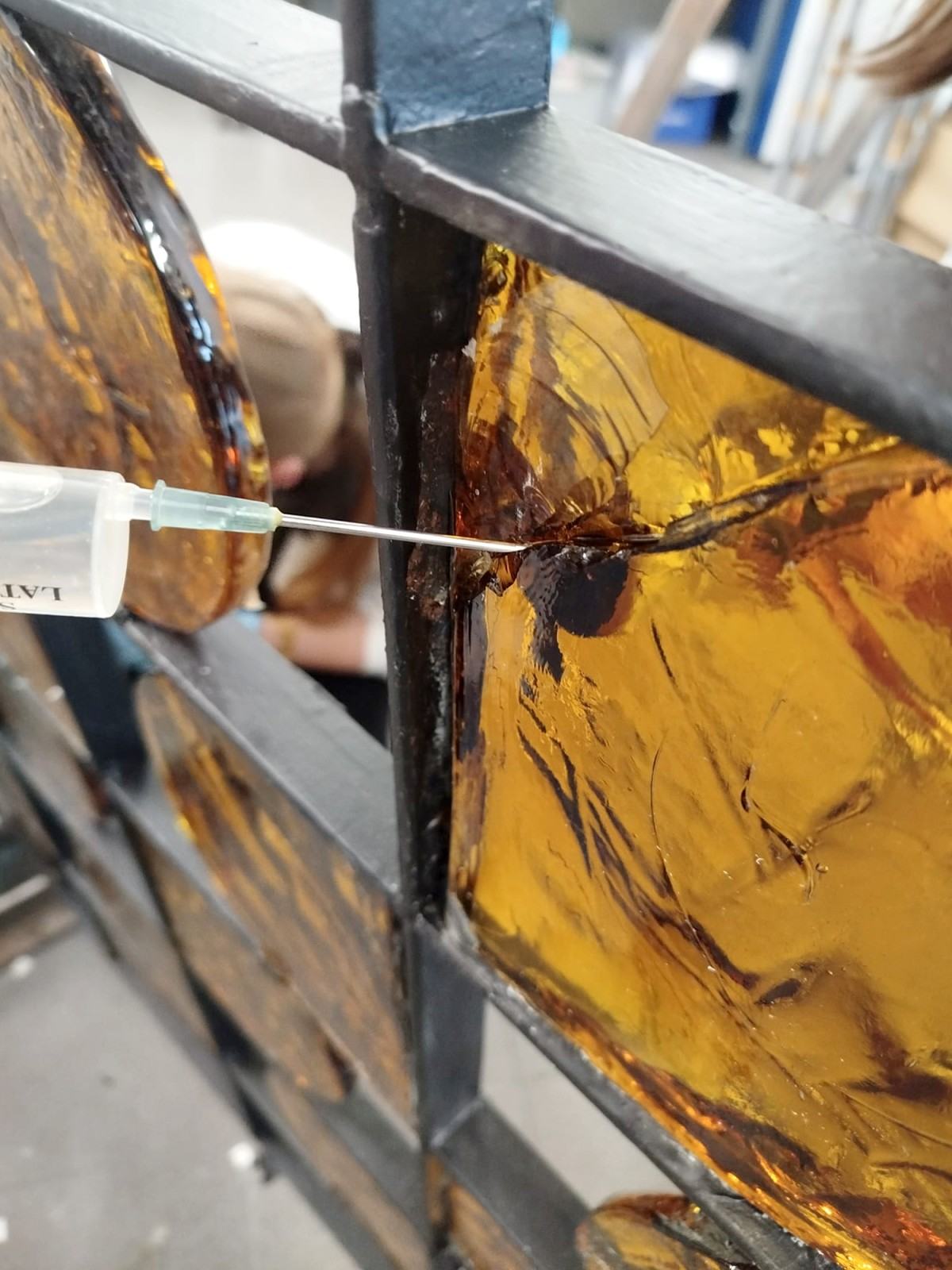
Glass Conservation and Restoration Studio
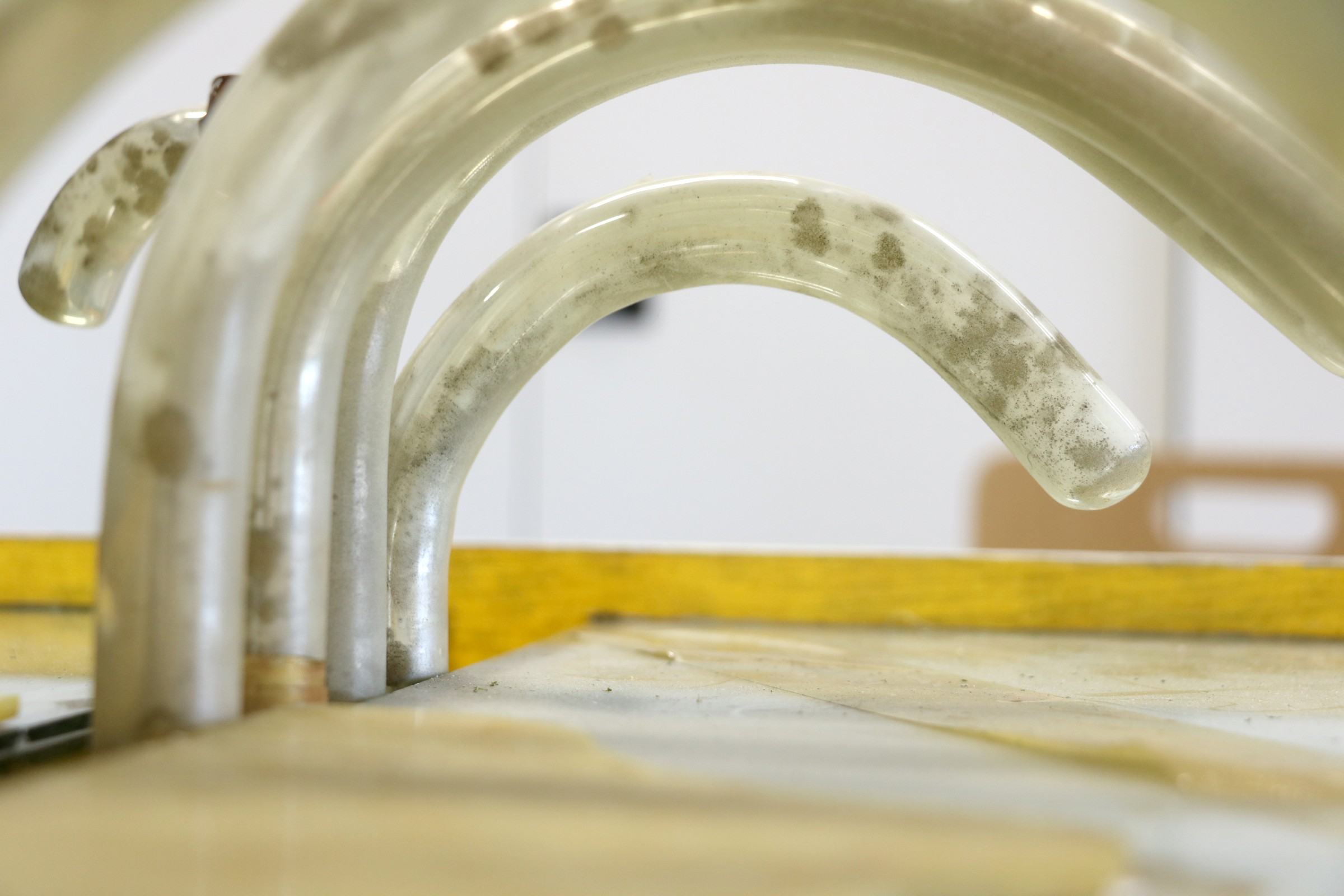
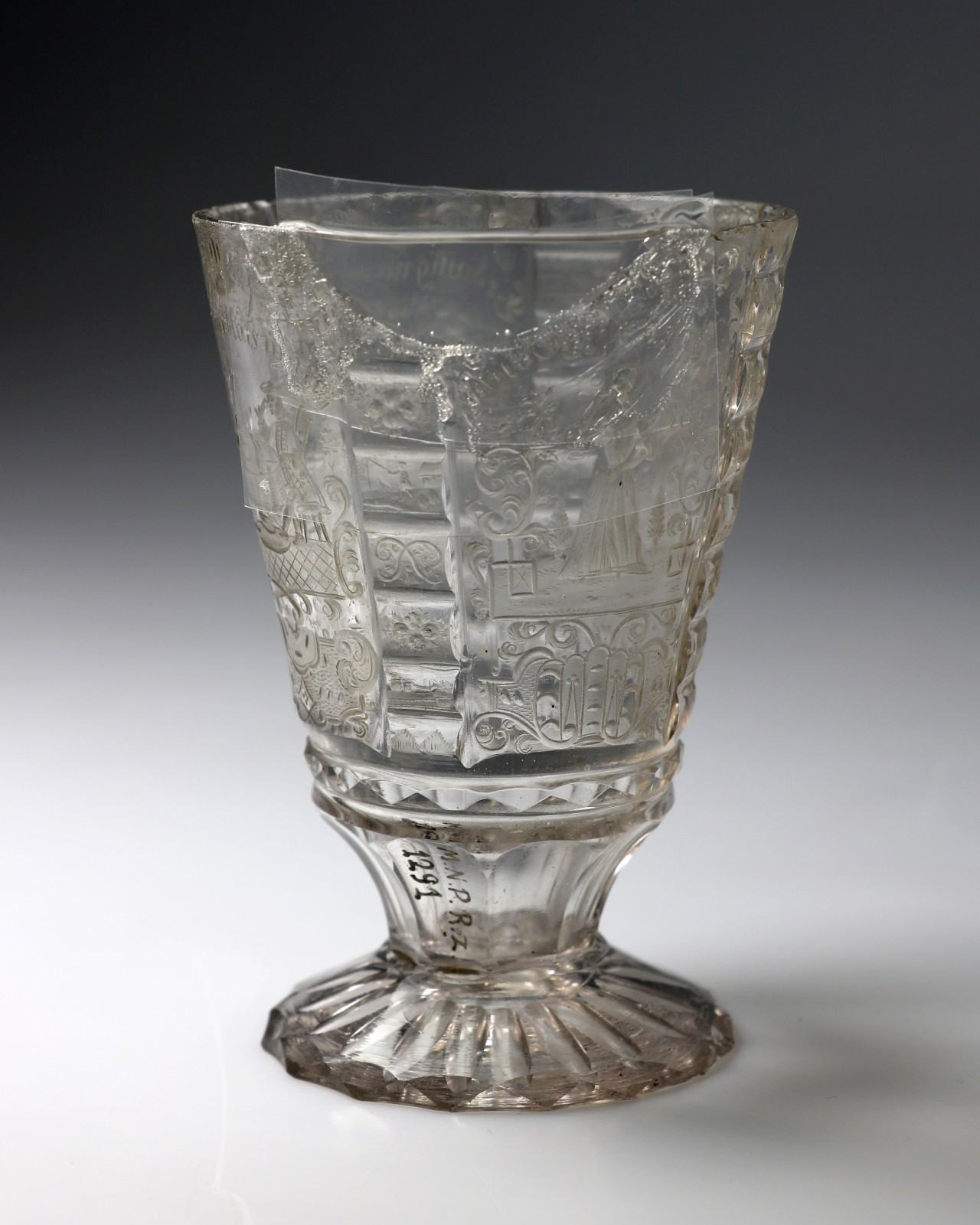
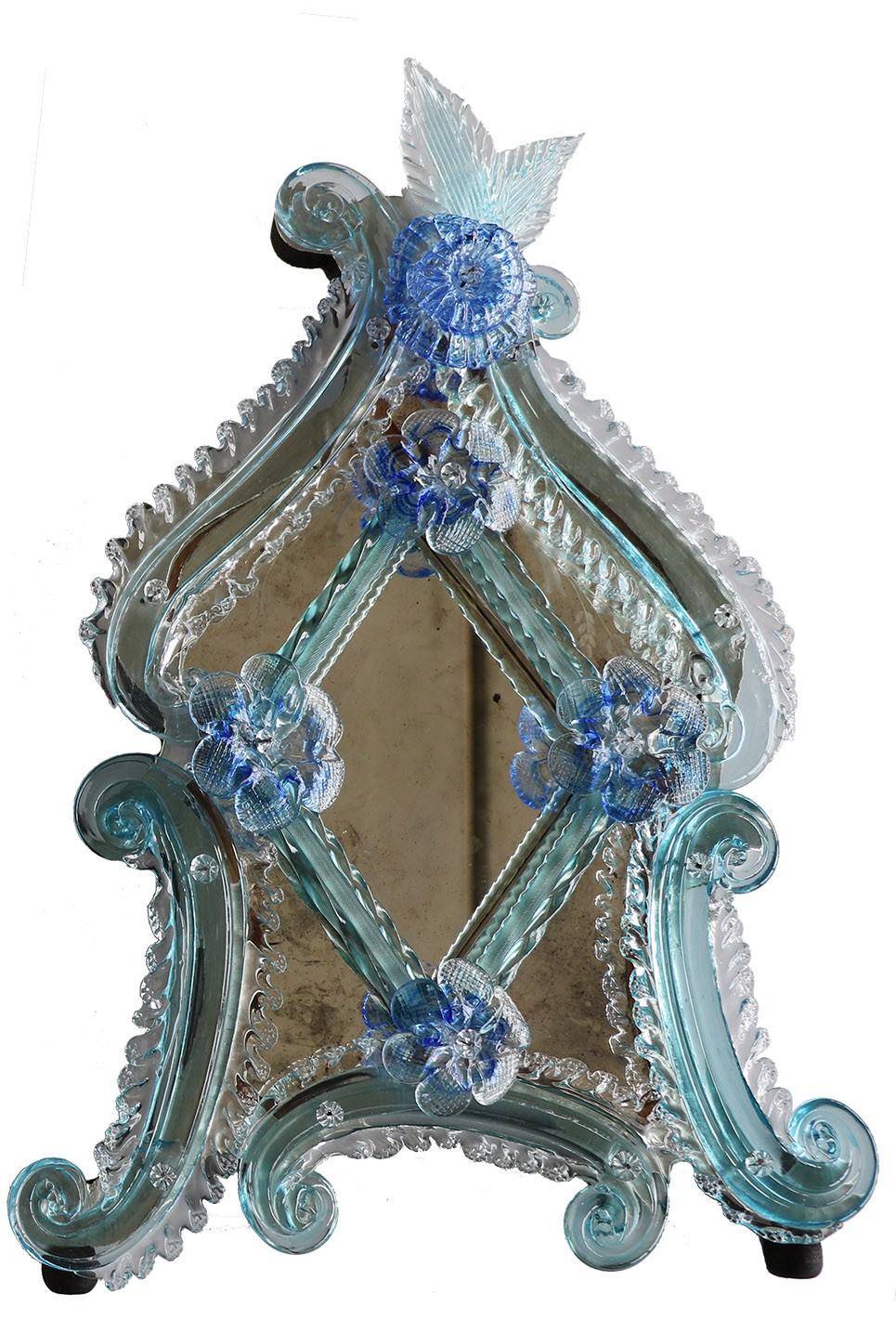
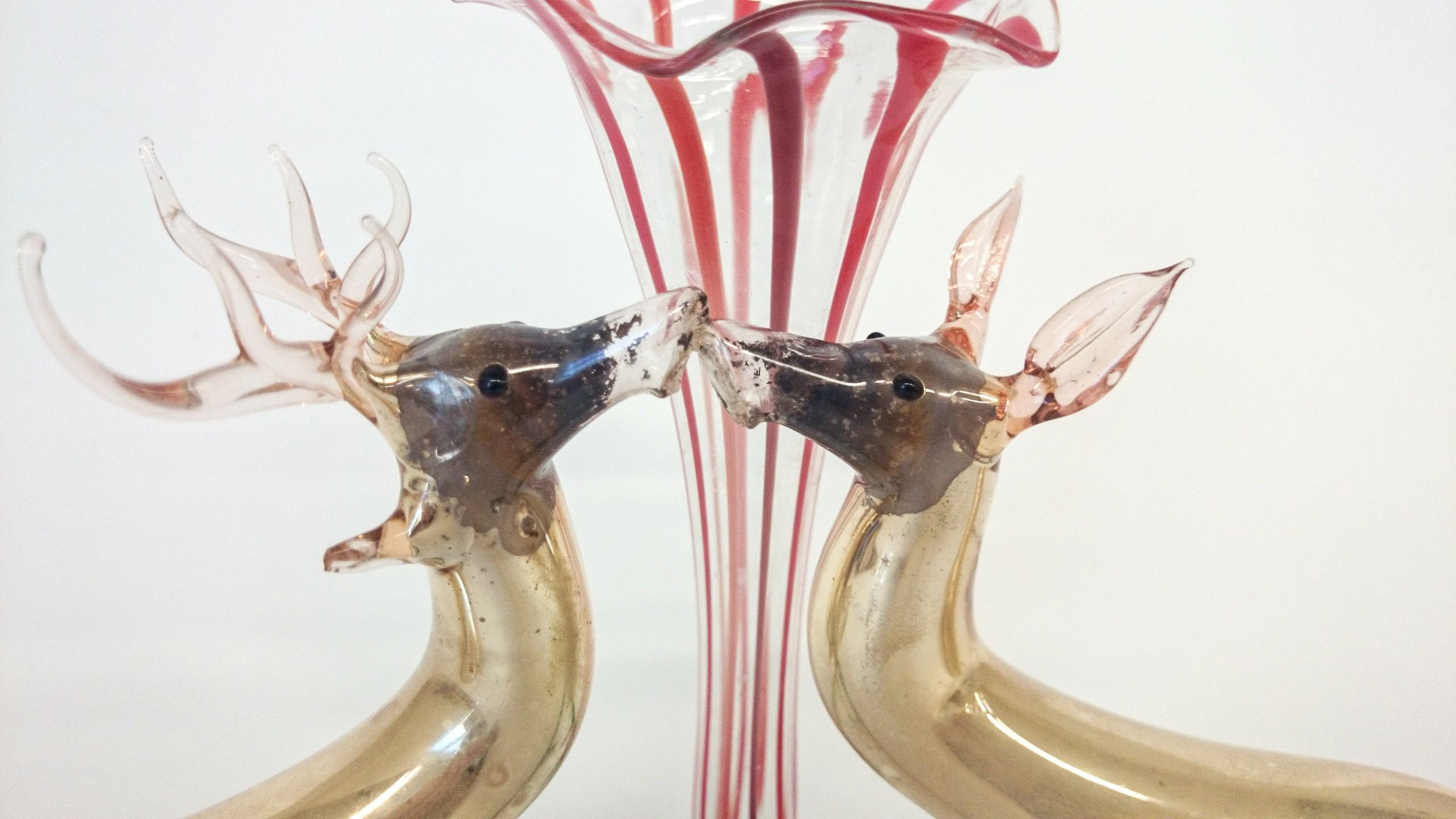
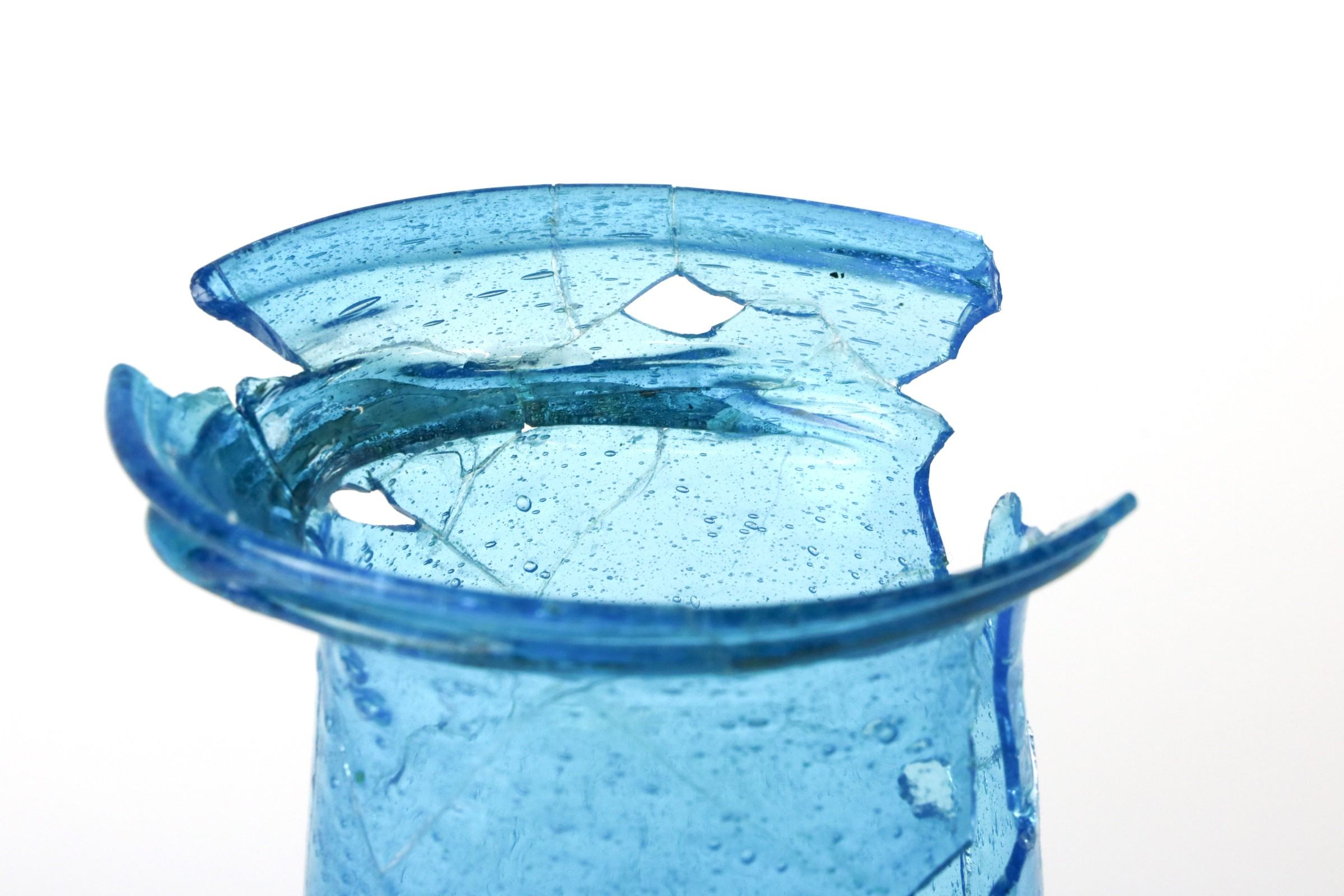
The aim of the programme is to apply current knowledge and experience in the conservation and restoration of historic and modern glass, as well as historical techniques, technologies and methods for shaping and decorating artistic and functional glass objects; to consolidate knowledge and develop the ability to select and apply knowledge and practice in a manner that enables the correct conservation and restoration of historic glass objects.
The main focus is on combining knowledge of glassmaking techniques and technologies, archaeology, archaeometry, graphic documentation techniques and research methods with practical knowledge of glass conservation and restoration. Broadening knowledge and skills in the application of conservation and research techniques used in the conservation and restoration of glass, based on knowledge acquired in classes, bibliographic research, museum placements and independent research. Seminars, and presentations of bibliographic research findings by students to the group as preparation for the defence of their dissertation.
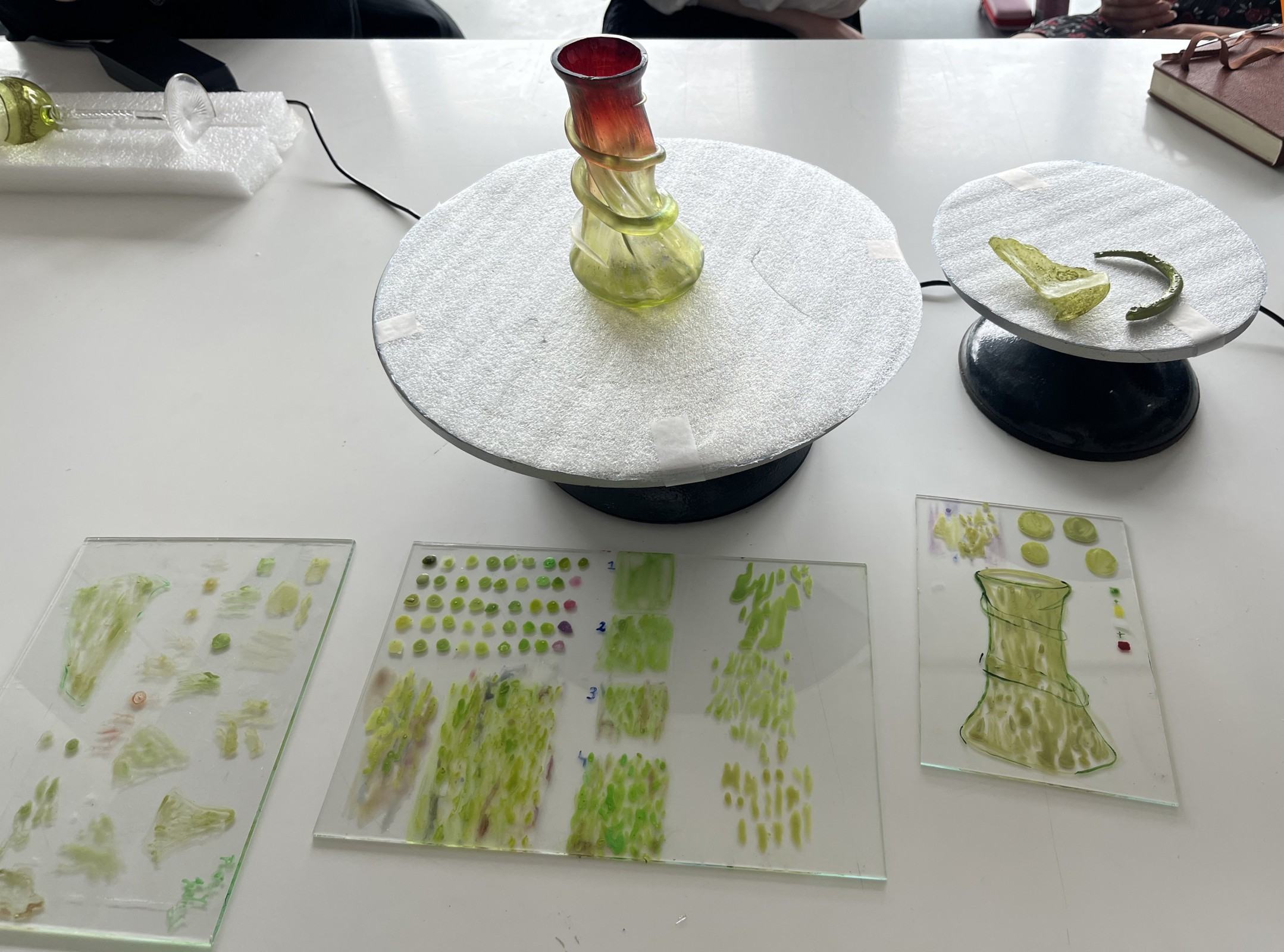
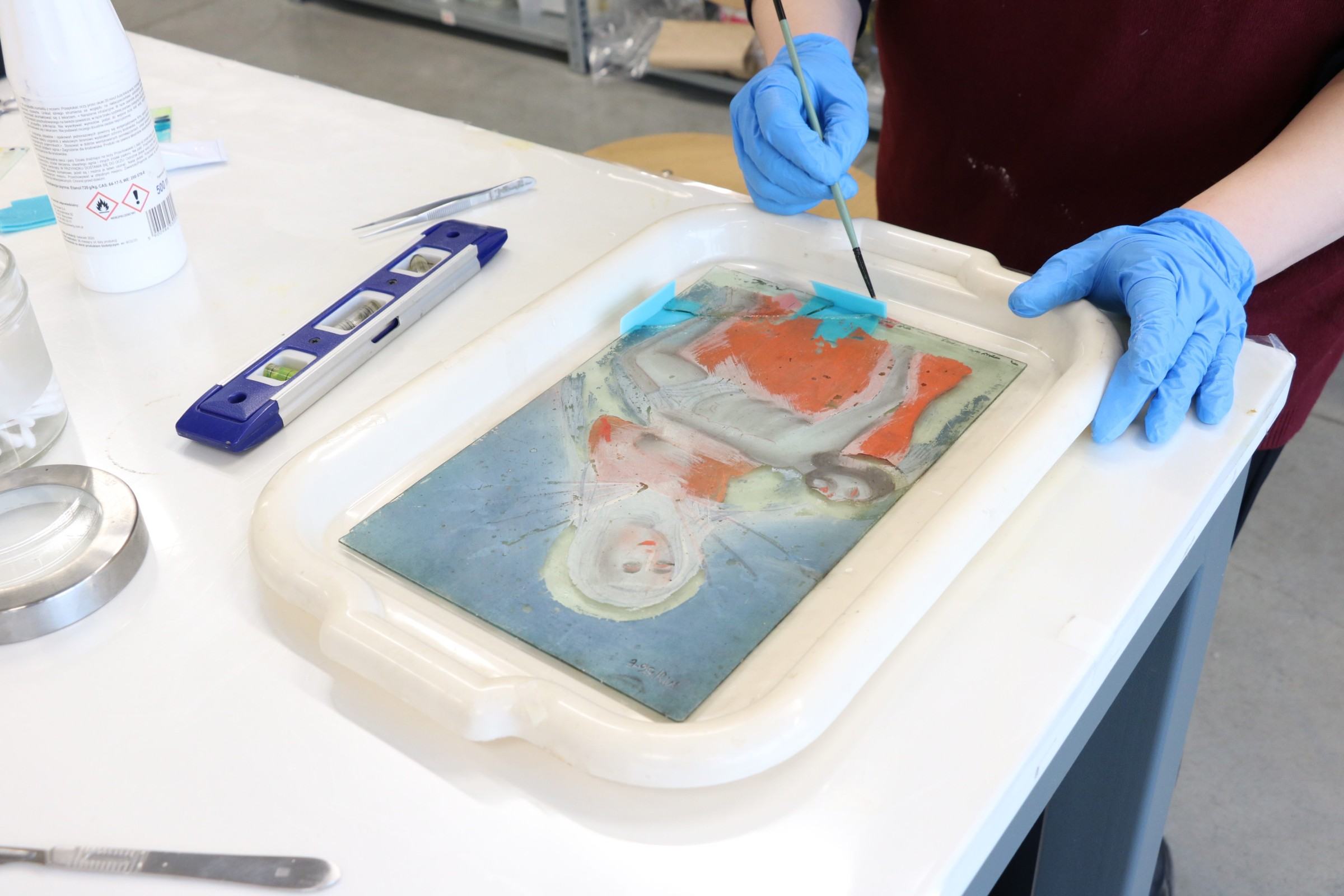
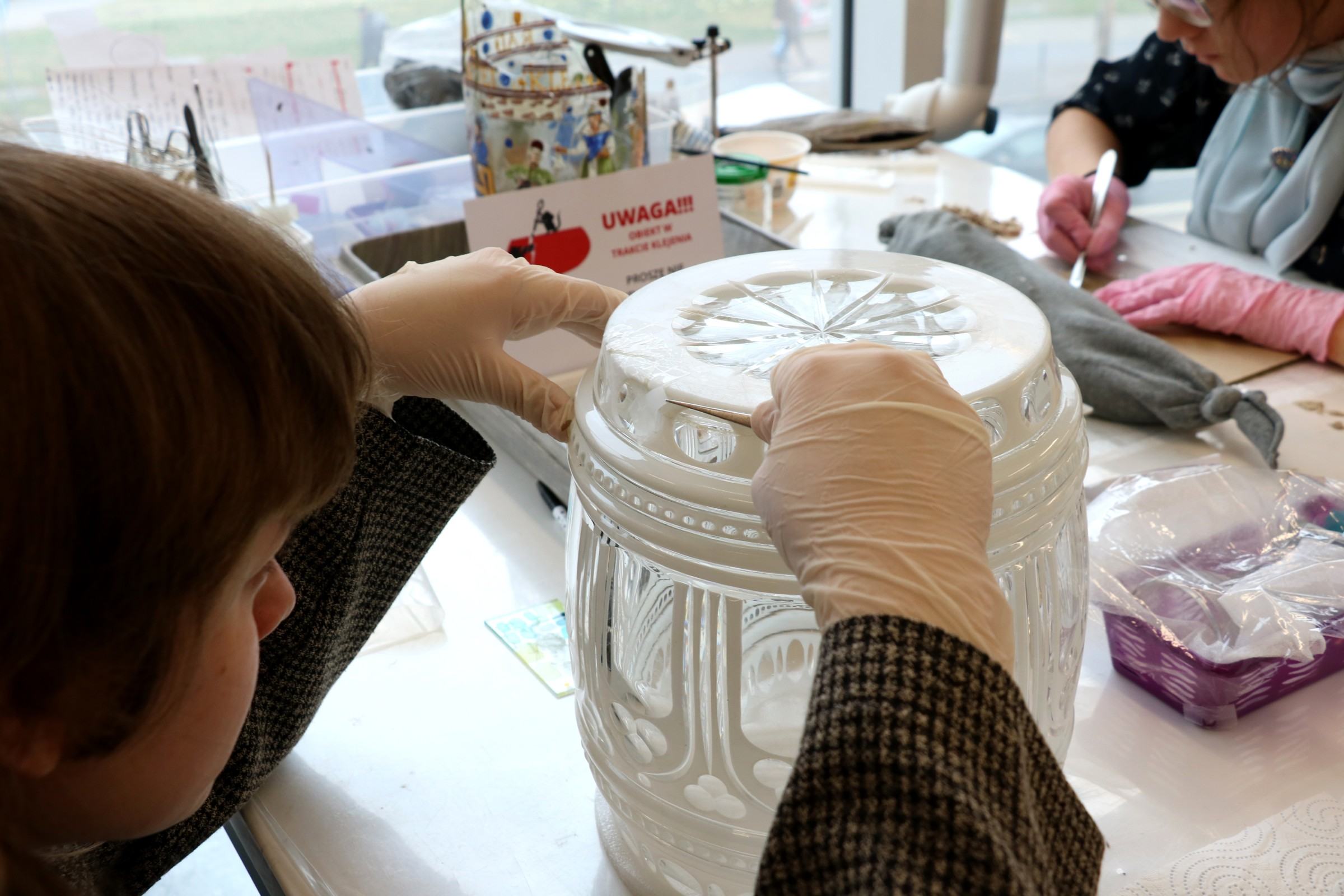
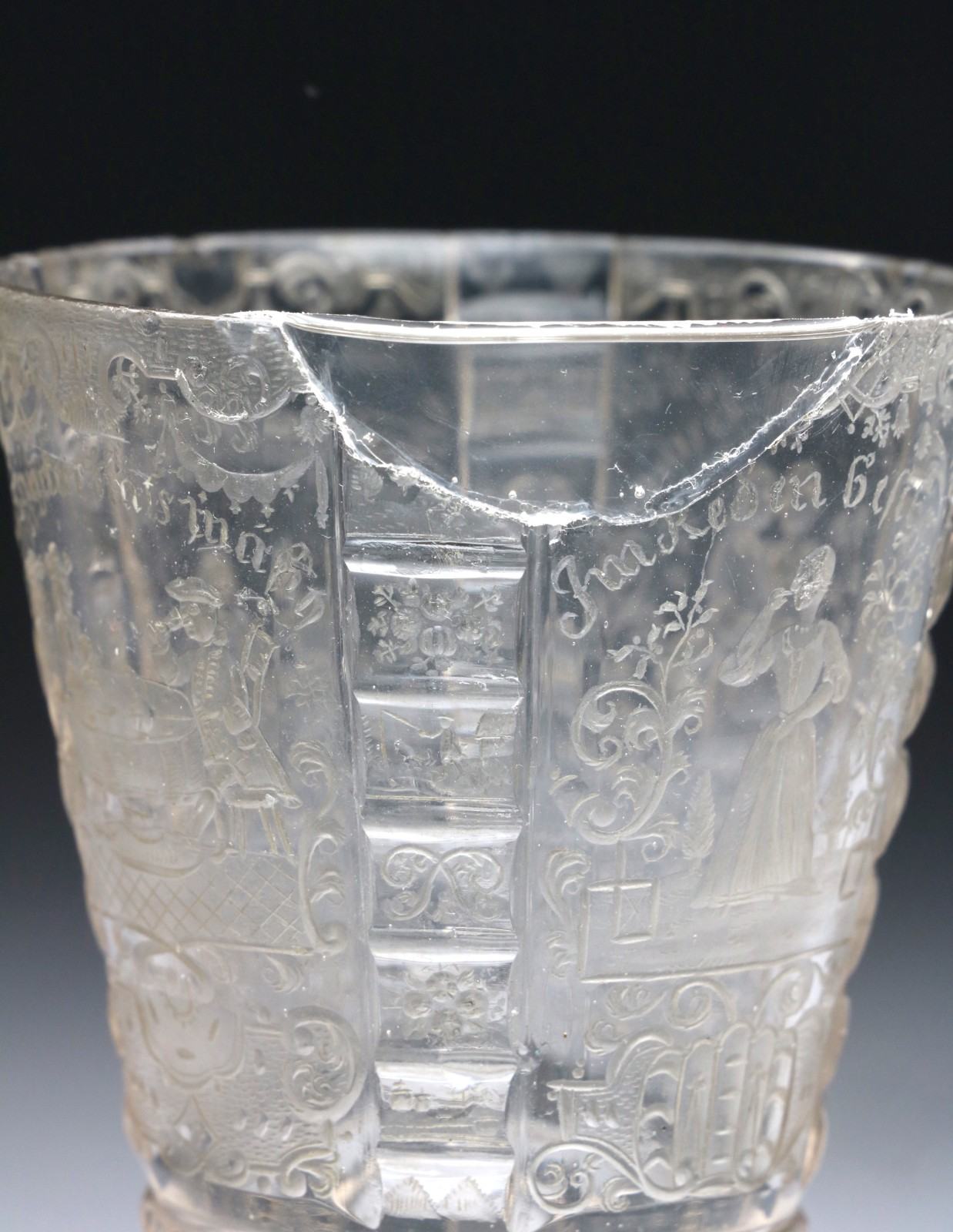
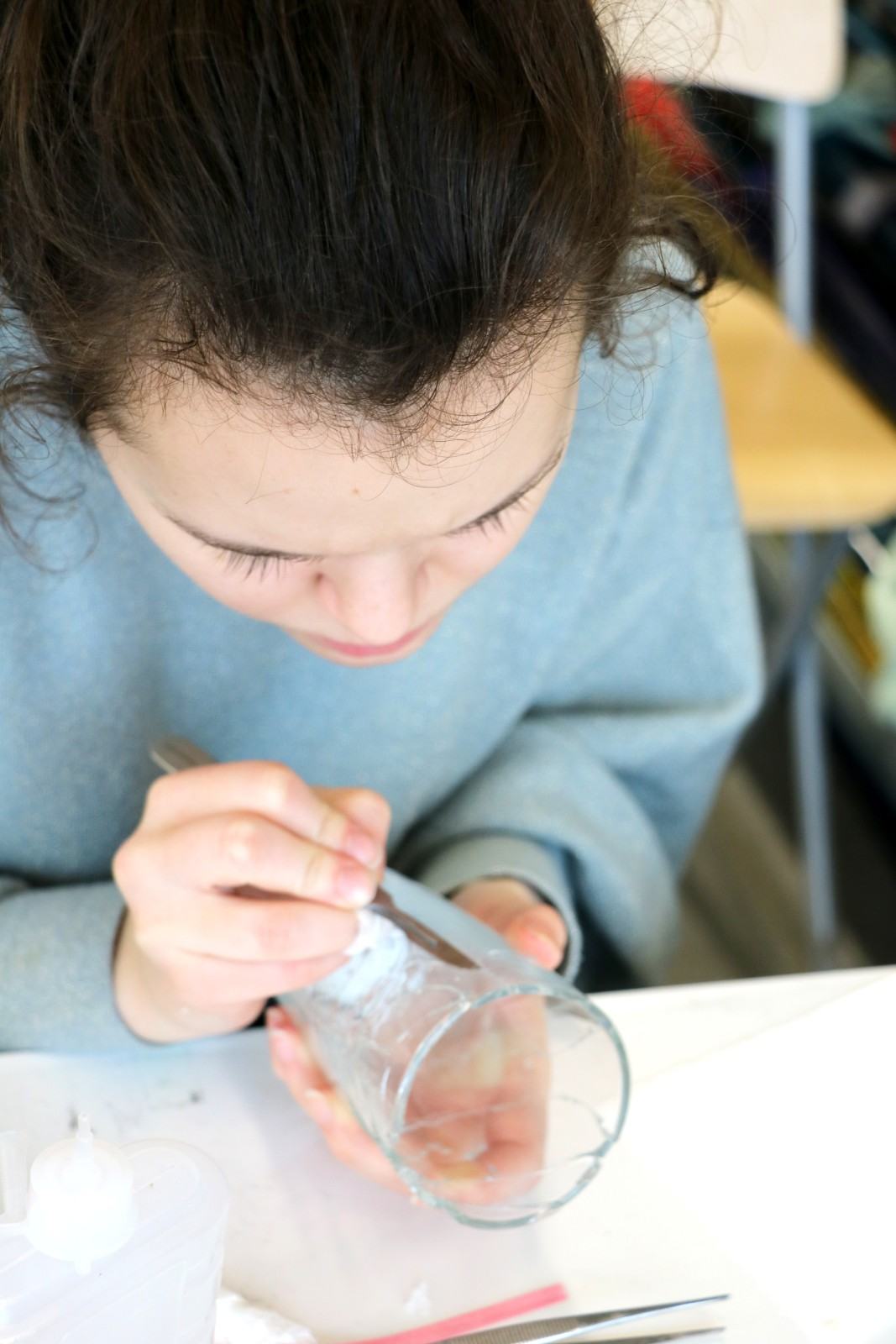
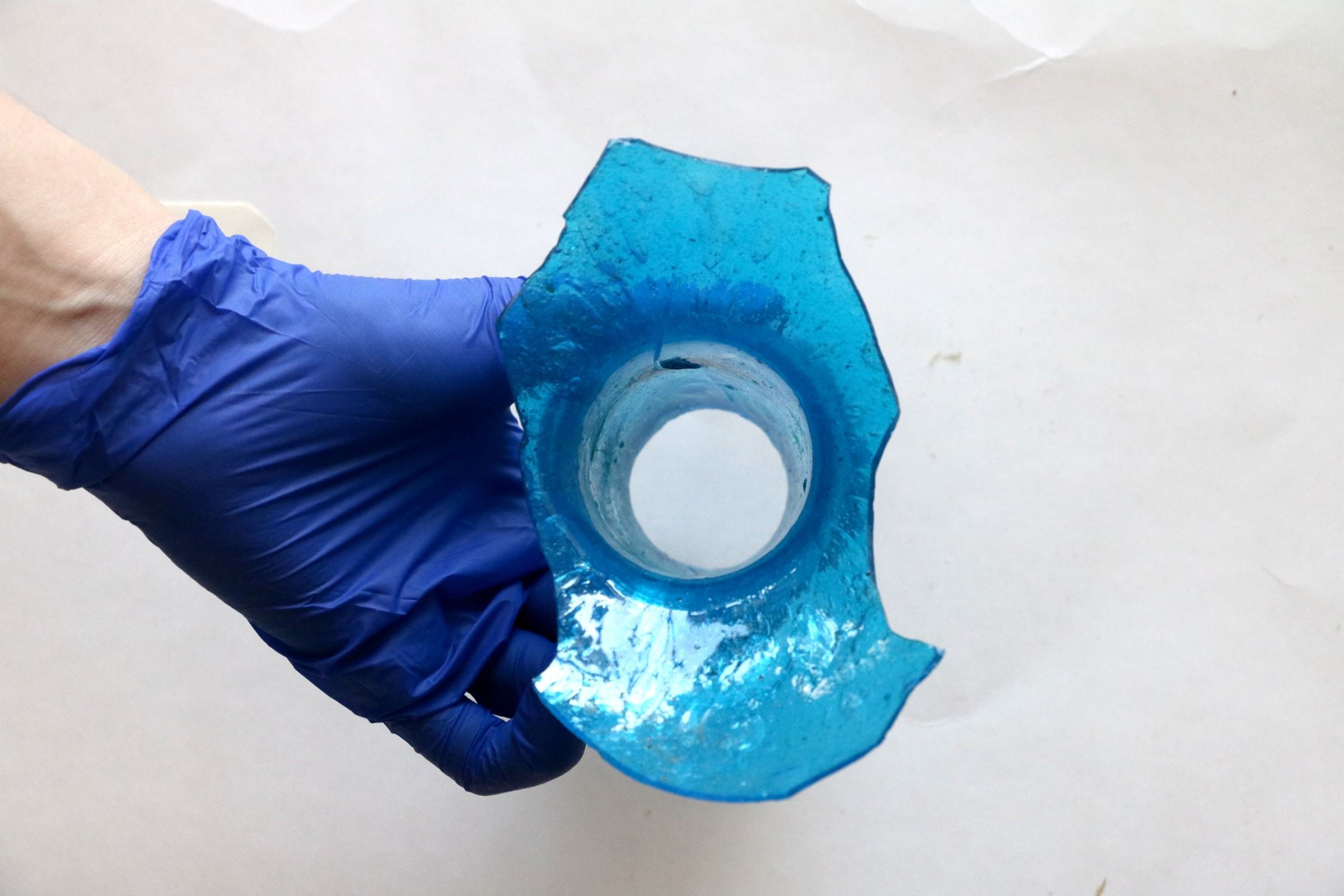
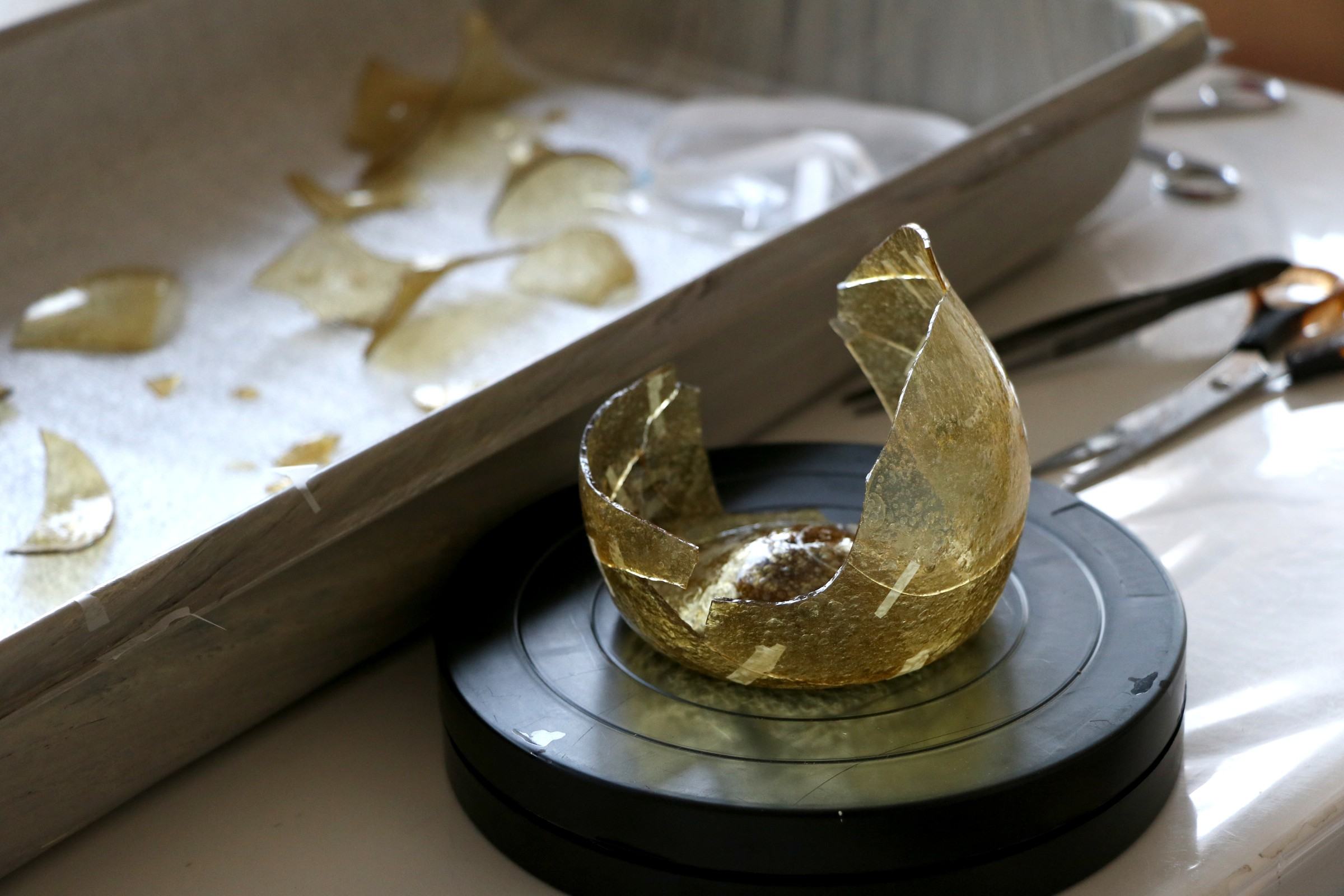
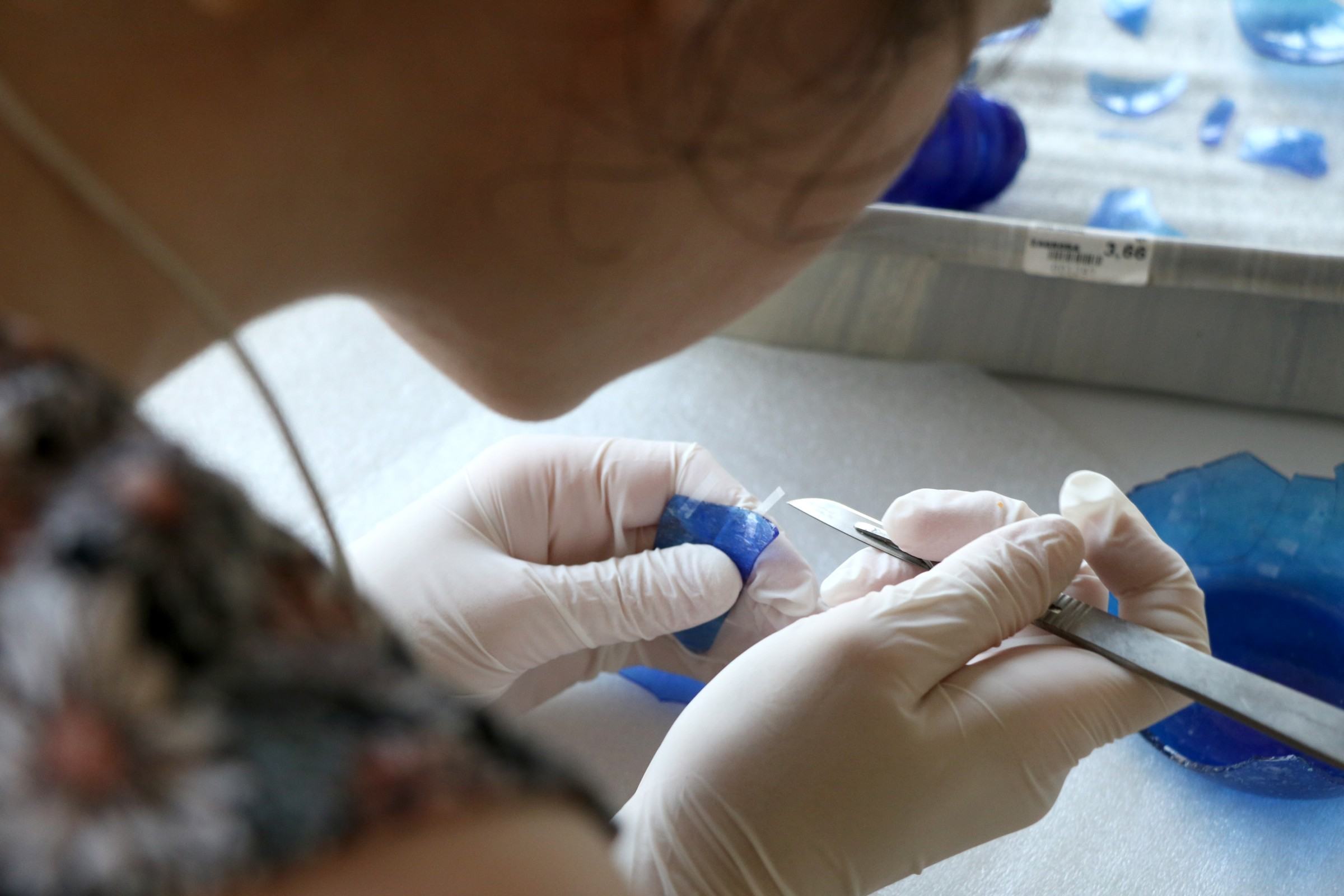
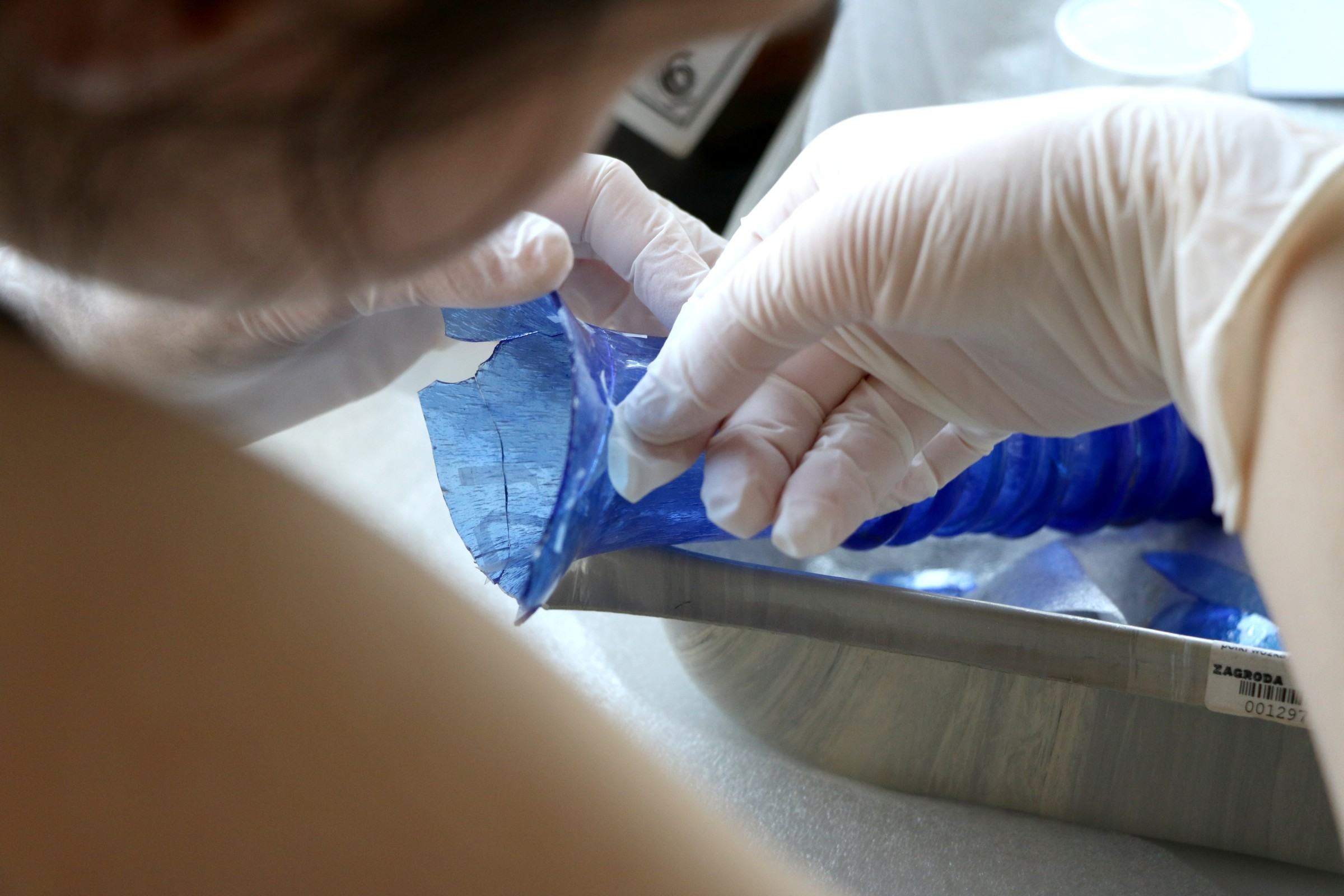
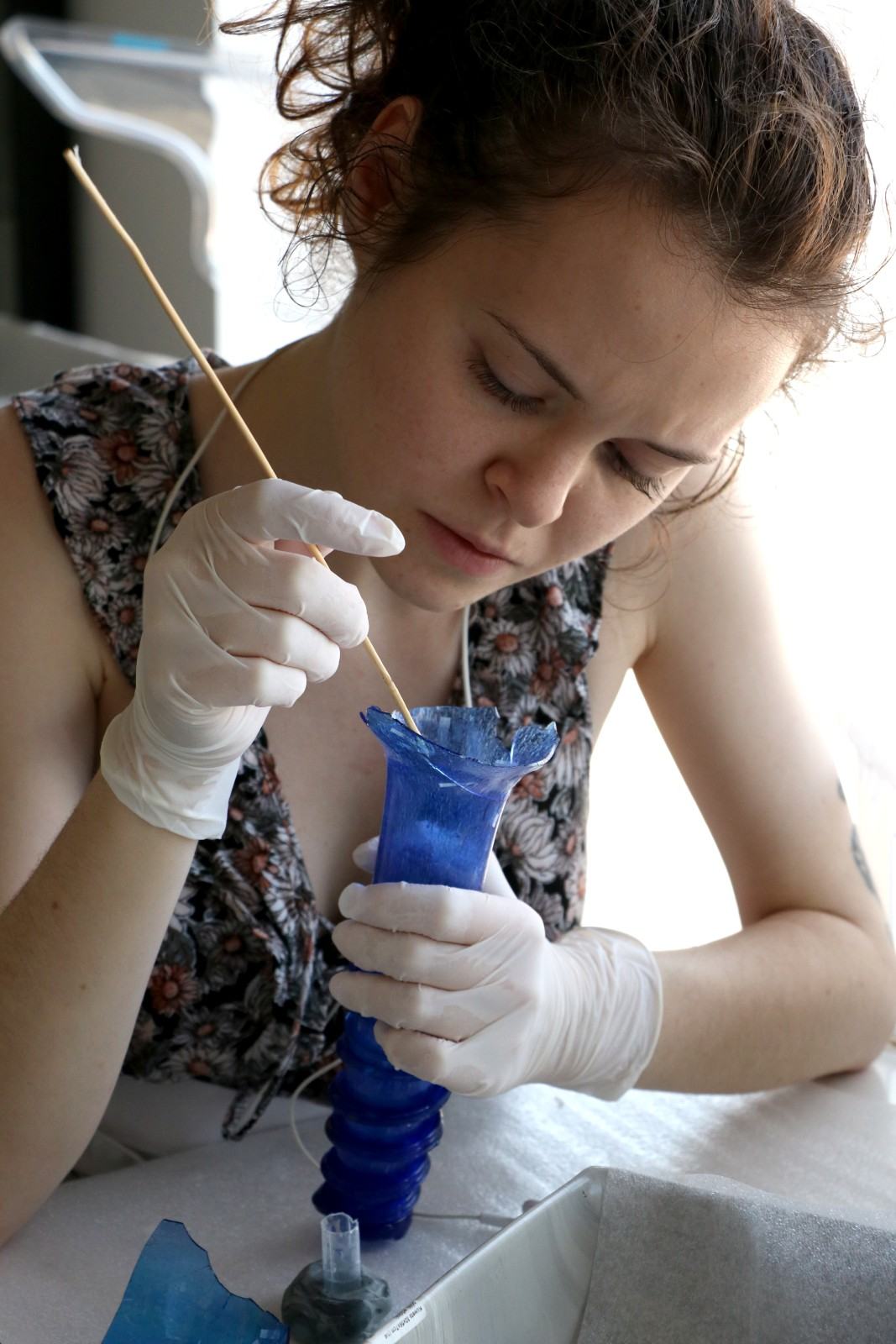
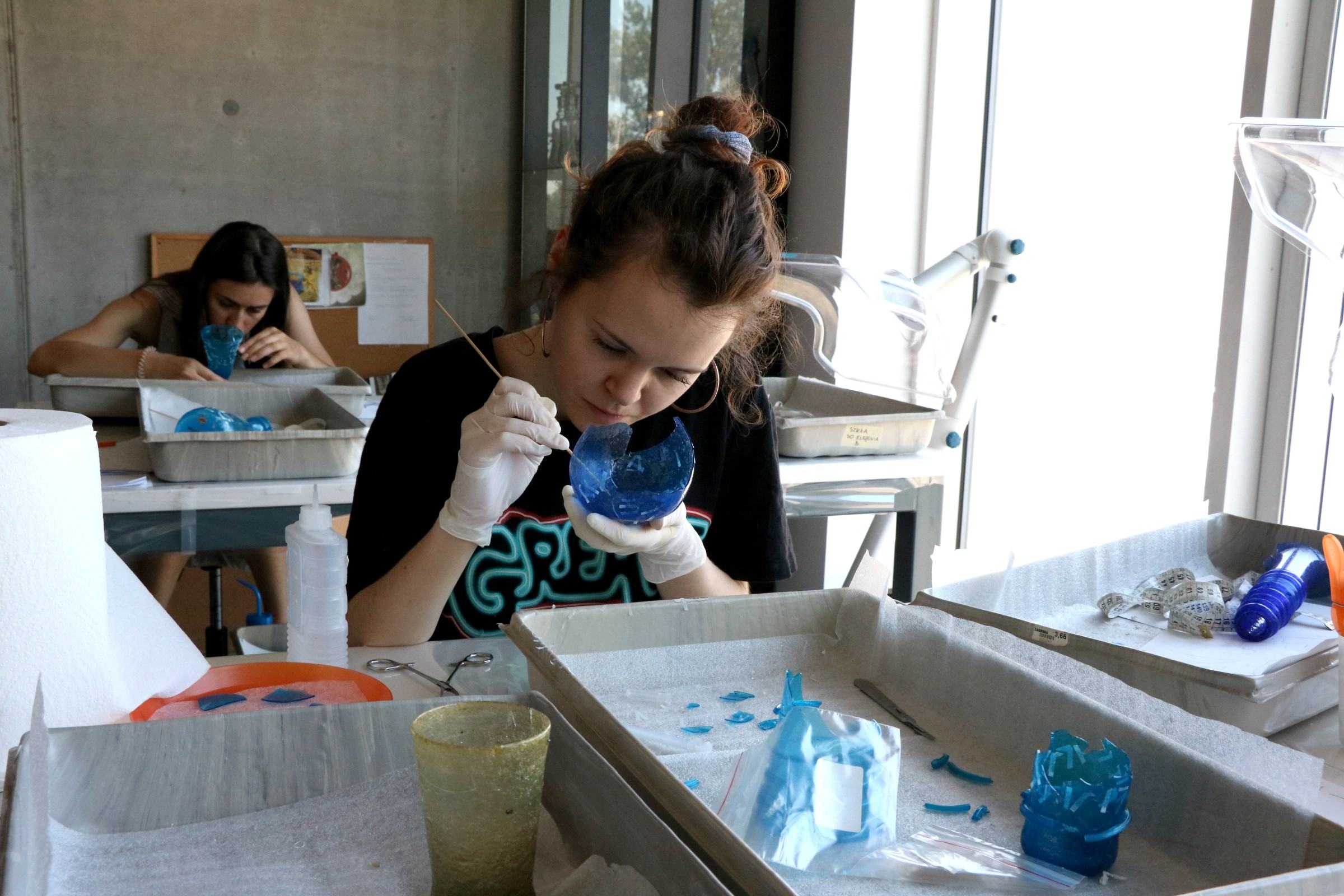
The course is aimed at third-, fourth-, fifth- and sixth-year students and covers conservation and restoration, including glass reconstruction, alongside conservation techniques for other materials such as wood and metal, using examples of ancient and modern art from museum and private collections. In addition to conservation and restoration procedures, students learn how to handle glass objects correctly, practise various aspects of the documentation process such as formal descriptions, identify and describe original production techniques, and design conservation and restoration programmes based on condition assessments, research findings and analyses.
Courses
- Methodology of Glass Conservation and Restoration
- Glass Conservation and Restoration
- Copy of Glass Details
Enrolment
Completion of compulsory courses from the semesters preceding the start of classes in the Studio.
Reading list
- S. P. Koob, Conservation and Care of Glass Objects, Nowy Jork 2006.
- S. Davison, Conservation and Restoration of Glass, Oxford 2006.
- J. J. Kunicki-Golfinger, Unstable Historic Glass: Symptoms, Causes, Mechanisms and Conservation, [w:] Studies in Conservation, vol. 9., 2008.
- G. Eggert, Corroding Glass, Corroding Metals: Survey of Joint Metal/Glass Corrosion Products on Historic Objects, [w:] Corrosion Engineering, Science and Technology, vol. 45, no. 5, 2010.
- S. Davison, Reversible Fills for Transparent and Translucent Materials, [w:] Journal of the American Institute for Conservation, vol. 37, No. 1, 1998.
- S. P. Koob, Crizzling Glasses: Problems and Solutions, [w:] Glass Technology – European Journal of Glass Science and Technology, 53(5), 2012.
- J. J. Kunicki-Goldfinger, Szkło w Europie Środkowej od późnego średniowiecza do XVIII wieku. Skład chemiczny – uwarunkowania i interpretacja, Instytut Chemii i Techniki Jądrowej, Warszawa 2020.
- J. Ciabach, Właściwości żywic sztucznych stosowanych w konserwacji zabytków, UMK Toruń, 2001.